
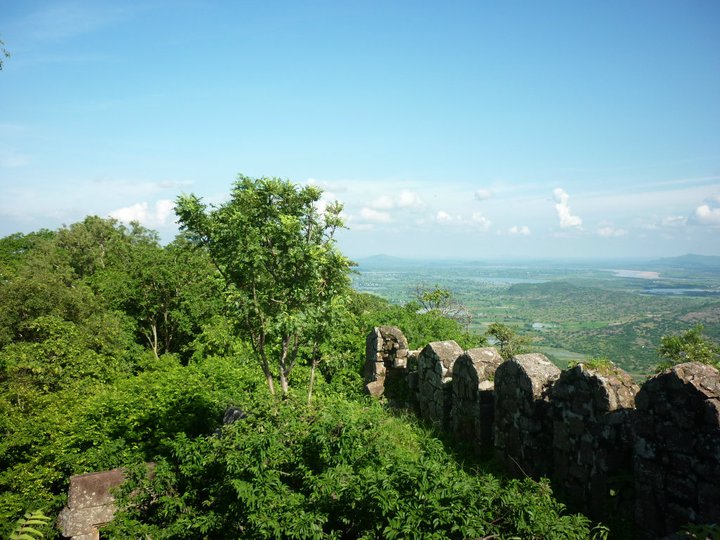
Peddapalli district is a place where heritage and daily life come together. It is not a region of grand, universally famous monuments; instead, it is a land shaped by local devotion, centuries-old village traditions, riverside worship, and temple culture that has been passed down through generations. The temples here may not always be in glossy guidebooks, yet they are deeply meaningful to the people who live here, and they connect ordinary life with a lived spirituality that is tangible and personal.
Every temple here has a story—not just of gods and legends, but of people who built shrines, maintained them through droughts and floods, walked barefoot from distant villages, celebrated festivals together, and continue to light lamps each evening.
Sri Mallikarjuna Swamy Temple—Odela
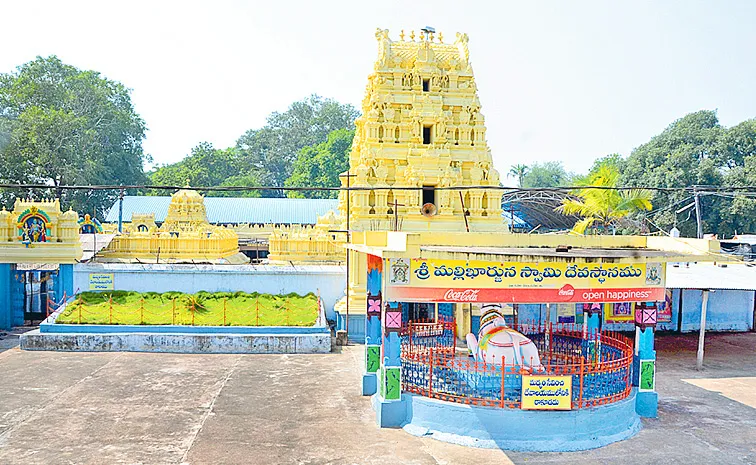
Where History and Faith Meet
The Sri Mallikarjuna Swamy Temple, located near the village of Odela, is one of the oldest and most respected pilgrimage spots in the Peddapalli district. Unlike famous temples built by royal patronage or chronicled in ancient texts, this shrine is rooted in community memory and lived tradition.
Many elderly residents recount how their grandparents spoke of this temple as a place of healing and protection. From sunrise to dusk, worshippers offer flowers, light lamps, and chant ancient Shiva mantras—not out of obligation, but out of heartfelt devotion.
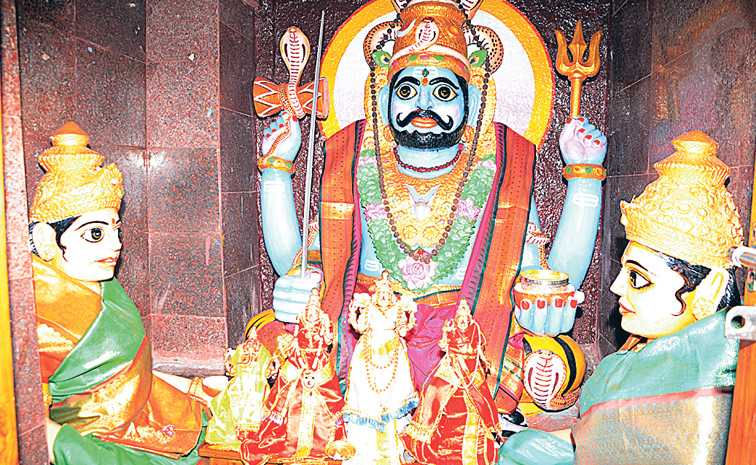
Origins and Stories
There is no exact written history of the temple’s founding—it grew over time. The lingam (symbol of Shiva) is believed to have been found by villagers in the soil, and when water was poured over it, people felt a spiritual presence. Word spread from one household to another, and what may have begun as a secluded sacred spot gradually became a temple complex maintained by local families.
Temple festivals, especially Maha Shivaratri, draw crowds from many neighboring villages. In the cool night air, under strings of oil lamps, the air fills with chants, cymbals, and the rhythmic sounds of drums. People of all ages come together—young children in simple cotton clothes, elders upright with the wisdom of years, and entire families offering prayers for well-being and prosperity.
Why It Matters Today
Today, Mallikarjuna Swamy Temple is a living place of devotion. It is not a relic—it is part of daily life. Some devotees come weekly, others during festival seasons, and many make the annual pilgrimage as a sacred family tradition. The temple continues to be maintained not by grand endowments, but by the collective faith and contributions of the community.
Sri Varahaswami Temple—Kamanpur Mandal
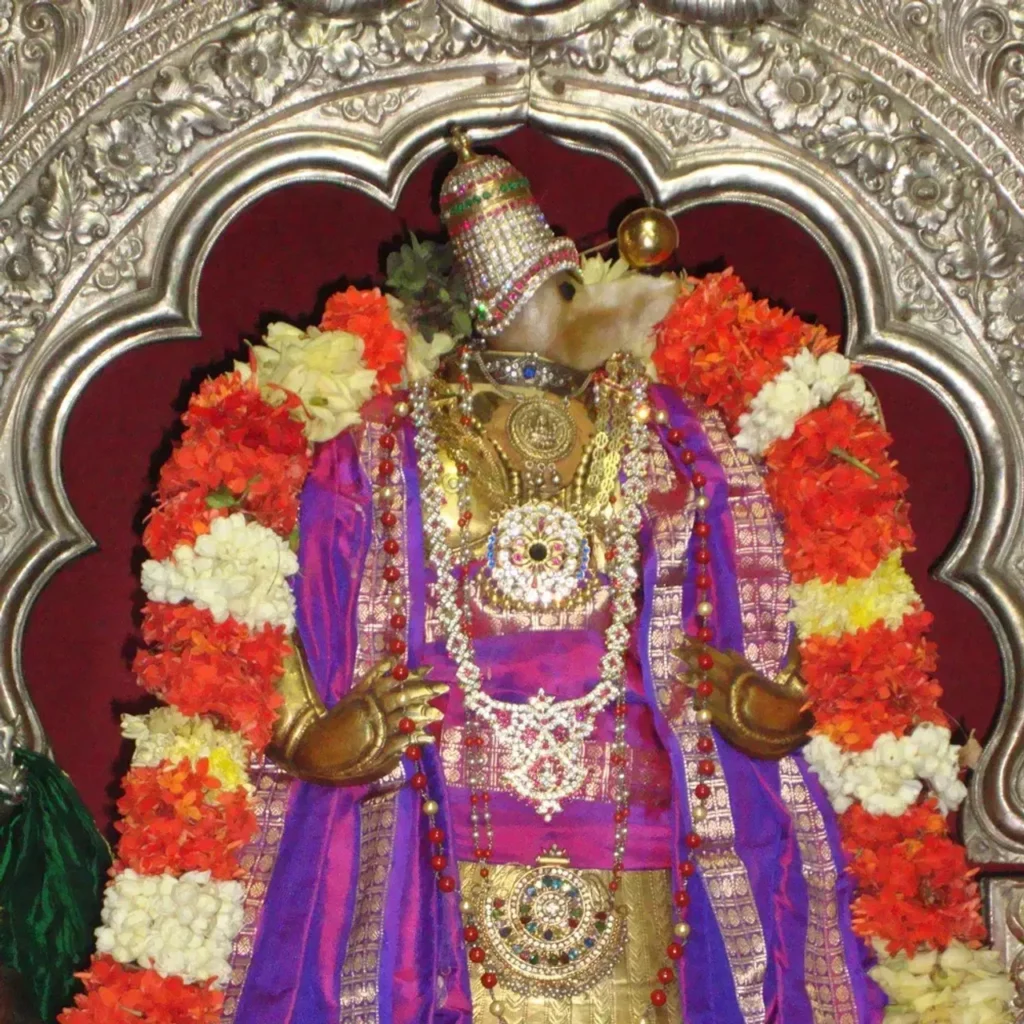
A Temple in Nature’s Embrace
In rural stretches of Kamanpur Mandal, you find the Sri Varahaswami Temple—a shrine that feels both earthy and spiritual. Dedicated to Lord Varaha (the boar incarnation of Vishnu), this temple stands in a setting that seems to belong to the land itself.
Here, the deity’s image is worshipped in an environment where trees and open sky blend into the sacred space. It is not the kind of temple built with towering gopurams (ornate gateways) or elaborate pillars—instead, it is a place where nature becomes part of devotion.
How Worship Grew Around the Shrine
The origin of this temple is rooted in local belief. Farmers, shepherds, and villagers long ago noticed an unusual rock formation that seemed to resemble the form of Varaha. People began to gather around it, offering flowers and prayers. Over years and years, the spot became recognized as sacred—not by decree, but by years of heartfelt worship.
Villagers from surrounding areas continue to visit, especially during Vaishnava festivals (festivals related to Vishnu), bringing fruits, turmeric, and garlands. Some come early morning when birds chirp in the trees; others come near sunset when the cool wind brushes the open fields.
The Experience of Pilgrimage Here
There is no rush or extravagance here—no crowds like in big pilgrimage centers—but there is a quiet devotion that settles into your mind. Stepping here, you join a lineage of people who, year after year, have found peace in the simple act of prayer under the open sky.
Sri Lakshmi Narasimha Temple—Devunipalli
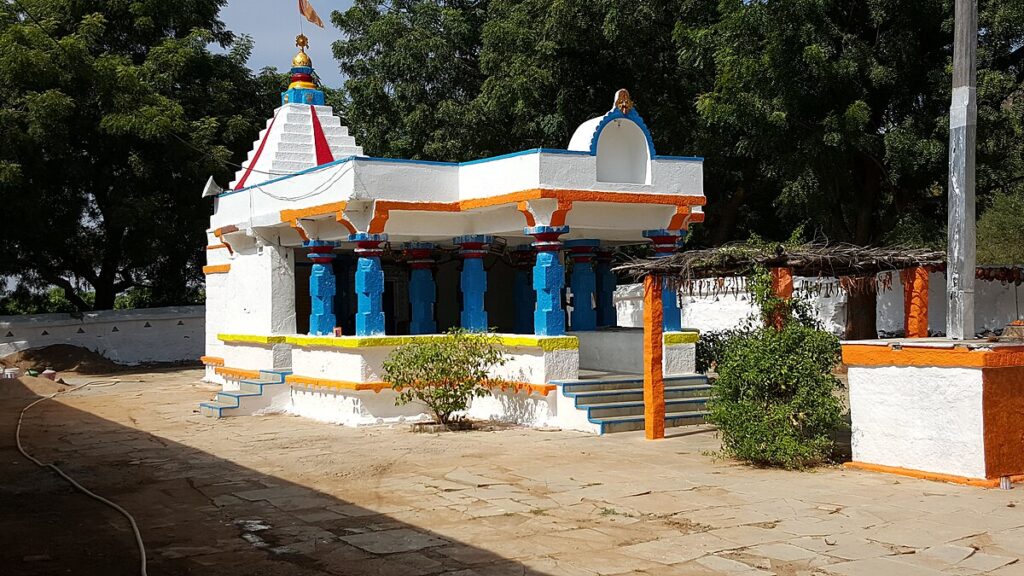
A Place of Strength and Protection
In the village of Devunipalli, the Sri Lakshmi Narasimha Temple is a cultural heartpiece. Narasimha—the man-lion form of Lord Vishnu—symbolizes strength balanced with compassion. The temple’s history is deeply embedded in the devotional life of the people here.
The Temple’s Story
Local belief says that villagers long ago discovered unusual marks in a rock that resembled a divine form. With time, worship began at that rock itself. Stories passed down in families tell of how elders advised young people to pray for resilience in hard times—for times of drought, illness, and family hardship.
This intuitive, experiential origin makes the Devunipalli temple unique: it was not founded by a king or recorded in scriptures—it was built into existence by the faith of ordinary people who felt a divine presence and chose to honor it.
Annual Festival and Community Spirit
What draws people from all over the district is the festival season around Karthika Purnima, when the temple becomes a hub of activity for several days. A series of rituals precede an elaborate Rathotsavam (chariot festival), where the deity’s image is taken out in a procession amid music, dance, and chanting. It is a time of togetherness—neighbors meet, conversations ease into laughter, and the lines between worship and celebration merge.
Sri Raja Rajeshwara Temple—Peddapalli Town

Temple in the Heart of Town Life
In Peddapalli town, the Sri Raja Rajeshwara Temple is a shrine that many residents describe as part of everyday life. It is not isolated in a forest or village—it stands where people live, work, shop, and greet each other. The essence of this temple is its accessibility: you can see devotees arriving with flowers before sunrise and others returning after evening prayers on their way home.
The Spirit of Everyday Devotion
What makes this temple important is not grand history, but its presence in daily routines. Office workers drop by on their way back. Shopkeepers take a quick turn inside before closing for the evening. In the quiet of dawn, old men sit nearby with cupped hands of prayer, and young children watch with curiosity.
The temple serves as a spiritual touchstone—not only for festivals, but for everyday gratitude. It captures the idea that spirituality doesn’t only belong to grand occasions—it belongs to everyday lives, woven through simple moments of devotion.
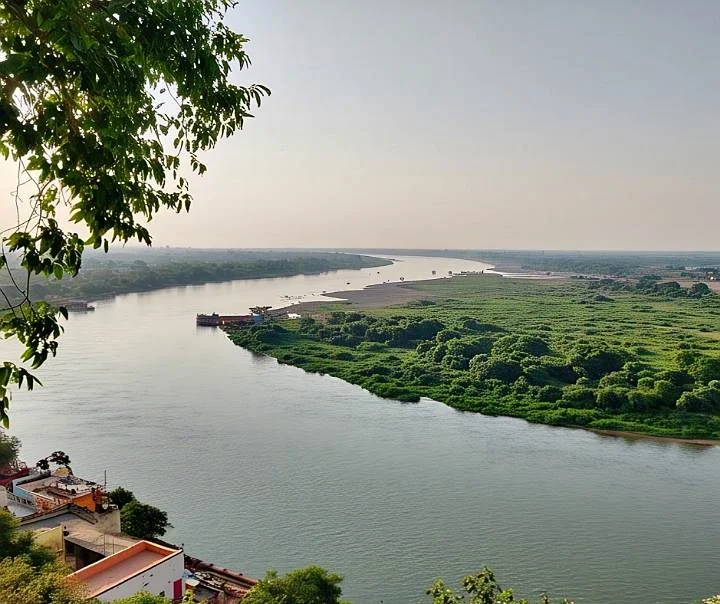
The Godavari River.
Rivers as Sacred Paths
In India, rivers are understood not simply as water bodies but as living presences that bind land and spirit together. The Godavari—India’s second-longest river—flows through Peddapalli district with a sense of quiet continuity. For communities here, the river is a place of worship, ritual cleansing, and celebration.
Rituals, Rites, and Daily Remembrance
Long before temples were built, people came to riverbanks to perform rites. Even today, early mornings by the Godavari are filled with families offering flowers, lighting small clay lamps, and bathing in the shallows before entering temples inland.
During years when Pushkaralu (a festival honoring rivers) occurs for the Godavari, people from across the district gather in large numbers. There is a sense of renewal, togetherness, and reflection—an unspoken acknowledgment that the river connects time past with time present.
Ramagiri Fort

Where History Meets Devotion
High atop a rocky hill near Begumpet village stands Ramagiri Fort, a centuries-old structure built by the Kakatiya rulers. Today, the fort is not just a monument to the past—it has become a place of spiritual reflection for many.
A statue of Lord Hanuman was installed by a devotee named Gaddam Bapu, and over time, this site became a local pilgrimage spot. Every morning and evening, those who climb the hill often stop to offer flowers, ring a bell, and seek blessings before returning to the world below.
Pilgrimage Beyond Stone and Temple Walls
Ramagiri’s experience is different from other temples—it involves the effort of uphill climbing, open sky, breeze against your face, and the long view of fields and villages below. That physical journey becomes part of the spiritual experience. People speak of how the climb helps them shake off worldly worries and enter a quiet, thoughtful state of mind.