
Telangana is often spoken of as a land of forts, temples, rivers, and farming communities. But beneath all this human activity lies another story—a quieter one—told by forests, animals, rocky hills, and age-old trees. Long before cities expanded and roads appeared, large parts of this region were covered with dry forests and open grasslands where wildlife moved freely.
As time passed, human settlements grew, agriculture expanded, and forests slowly shrank. Yet, some areas remained strong enough to hold on to their wild character. These lands later became national parks and tiger reserves, protected not just for animals but for future generations of people as well.
Understanding National Parks in Telangana
National parks are areas where nature is given first priority. Human activity is limited, and the goal is to allow forests, plants, birds, and animals to live with minimal disturbance. Telangana’s national parks may not be vast like those in central India, but they are deeply important because they protect local ecosystems that are fast disappearing.
What makes Telangana’s national parks special is that some of them exist very close to cities, proving that nature does not always live far away—sometimes it survives right beside us.
Kasu Brahmananda Reddy National Park (KBR National Park)
Kasu Brahmananda Reddy National Park—often called KBR National Park—is one of the most remarkable natural spaces in Telangana. It stands unique because it is a real forest within an urban setting—nestled against the bustling suburbs of Hyderabad but still retaining its ancient character and wild spirit. While many people think of forests as distant places, KBR shows that nature can thrive even within a city when it is protected, cared for, and respected.
History and Origin—A Forest That Stayed While the City Grew
Long before Hyderabad expanded into the metropolis it is today, the land where KBR now stands was part of the natural dry forest system of the Deccan Plateau. This region, characterized by rocky soil, seasonal rains, and resilient vegetation, has supported life through countless generations—long before concrete roads and tall buildings arrived.
As the city grew, much of the original forest was cleared for houses, markets, and infrastructure. But this particular patch survived, tucked between old estates and less developed land. For decades, local people noticed this green area quietly persisting while the city around it changed rapidly.
Eventually, residents, conservation enthusiasts, and city planners came together to protect this forest remnant. They understood that once it was gone, it could never be restored the way it originally existed. The decision was made to give it legal protection as a national park, ensuring that the green heart of this land would remain forever.
The park was named after Kasu Brahmananda Reddy, a public leader who was associated with progressive civic work. By honoring his name, the park also became a symbol of care for both people and nature.
The Character of the Park—Nature Within a City
KBR National Park is not a manicured garden, nor is it a playground designed for entertainment. It is a real forest—raw, uneven, and alive.
Walk into KBR in the early morning and you will notice:
- Cooler air beneath the tree canopy
- A mosaic of sunlight and shadow on the ground
- The distant call of birds and cicadas
- Fresh scents of earth and wood
The terrain is slightly uneven, with rocky patches and shaded clearings. The soil here is adapted to dry conditions, and the entire ecosystem has evolved in harmony with seasonal rains and dry spells.
This place moves to the rhythm of nature—the seasons, the wind, the birds, and the quiet activities of life beneath the branches. It feels eternal, yet intimately accessible.
Flora—The Life That Grows Here
The forest inside KBR National Park is typical of dry deciduous woodland, but it is rich with plant life that tells a deeper story about survival, adaptation, and ecosystem balance.
Trees—The Giants of the Forest
Trees are the backbone of any forest, and in KBR, they include a variety of sturdy species:
- Hardwood trees with rough bark that helps retain moisture
- Broad-leaf trees that shade the forest floor
- Thorny shrubs and small trees that thrive with limited water
These trees have strong roots that cling to rocky soil, and many have thick bark to protect against heat and dry winds. Some trees shed their leaves during dry months to conserve water, while others keep their canopy year-round, providing habitat for sheltering birds and animals.
The trees here are not planted in rows or labeled for tourists. They grow freely, creating layers of life—tall trees above, shrubs in the middle, and ground covers below.
Understory Plants and Shrubs
Below the tall trees, a network of shrubs and smaller plants flourishes.
- Bushes with small leaves that reduce water loss
- Wildflowers that bloom after rain, adding splashes of color
- Grasses that rustle softly in the breeze
These plants are survivors. They don’t need rich soil or abundant water; they grow because they are adapted to this landscape—shaped by the Deccan climate.
Seasonal Changes in Vegetation
After the monsoon rains, the forest seems to wake up. Fresh green shoots appear. Flowers explode into bloom. The ground becomes dappled with new life.
In the dry season, leaves fall and the forest transforms—not dying, but conserving. The colors turn earthy, and the whole environment seems to pause, waiting for the next rains.
This cyclical change gives the park a rhythm—a heartbeat that human visitors feel, even if they cannot describe it.
Fauna—Life That Moves and Breathes Through the Park
The forest is not just trees and plants—it is home to living, breathing creatures that depend on this habitat for survival. Although quiet most of the day, the park is full of activity if you know where to look.
Birds—The Forest’s Singers
Birds are the most noticeable residents of KBR. They brighten the space with song, color, and movement.
Some birds you might see include
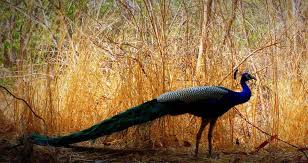
- Peafowl—elegant and striking, often seen walking on the ground
- Parakeets—bright green flashes flying overhead
- Bulbuls and sunbirds—small, lively singers flitting between branches
- Owls and night birds—hidden during the day, calling at dusk
Every season brings different bird visitors, and the diversity of species reflects the richness of habitat that the forest supports.
Mammals—Quiet Dwellers of the Green
While the forest does not hold large wild animals like tigers or elephants (those belong to distant reserves), it is home to smaller mammals that blend into the landscape:
- Foxes—shy and rarely seen, but often indicated by tracks
- Jackals—alert and roaming during early mornings or evenings
- Rodents and squirrels—busy collectors and forest cleaners
- Small herbivores—feeding on seeds and grasses
These animals contribute to the ecosystem by dispersing seeds, controlling insects, and maintaining food chains.
Reptiles and Amphibians
The sunshine and shadow of the park are shared by many reptiles:
- Lizards bask on rocks
- Snakes, careful and cool, use shade to regulate temperature
- Frogs and toads appear briefly after rains
You may not always see them, but if you stroll quietly in early morning or mild evening light, you may notice a flicker of movement in the undergrowth.
Insects and Small Creatures
Insects are the unsung workers of the forest:
- Butterflies drift from flower to flower
- Beetles, ants, and spiders work quietly
- Bees and wasps help pollinate flowers
These small lives make the forest thrive. They break down leaf litter into soil nutrients, pollinate plants, and feed other animals.
The Rhythm of Days and Seasons
KBR National Park has a subtle but unmistakable rhythm:
- In the early morning, birds begin with song, and dew still clings to leaves.
- During the heat of the day, shade becomes sanctuary, and respiration slows.
- In the cool evenings, mammals move quietly, and birds settle before night.
- After rains, the forest smells sweet, and new green life sprouts.
This cycle continues year after year, independent of the traffic and noise just beyond its borders.
Mahavir Harina Vanasthali National Park
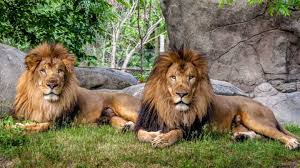
Mahavir Harina Vanasthali National Park is a special place — not because it is vast or hidden deep in remote wilderness, but because it represents a transition in how people in this region began to think about wildlife and nature.
Located near Hyderabad, this park is not a remote reserve where visitors must travel long distances. Instead, it is a green heart close to urban landscapes, reminding us that nature does not belong only to distant hills or jungles — it belongs with people too.
Where It All Began — From Open Land to Forest Protection
Long before the concept of wildlife conservation became widespread, the land that would become Mahavir Harina Vanasthali was widely known simply as vast open commons — grasslands and scrubland where people grazed cattle and paths crisscrossed the fields. In earlier times, before motor vehicles and large roads, this area was on the outskirts of town, where city life gradually faded into natural land.
In those days, the idea of protecting land for wildlife was almost unheard of. People didn’t speak about “ecosystems,” “endangered species,” or “habitat.” But they did notice something important: deer, birds, and other wild animals still moved here with ease, even as villages and farms spread around.
Over time, as Hyderabad expanded rapidly, people began to realize that these wild animals needed space that was safe and undisturbed, not just leftover patches between fields. That awareness grew slowly, not from a sudden decision but from everyday observation — seeing deer grazing, listening to the calls of birds, observing grass swaying softly under the wind.
Eventually, local residents, nature lovers, and forest officials came to agree that this green land deserved protection. It should be a place where wild animals could live without fear of being chased away, hunted, or displaced by development. And so, this area was formally declared a protected forest and later a national park — a place intended not just for human recreation, but for wildlife conservation and coexistence.
The name itself reflects this shift in values. “Mahavir” suggests strength and courage, “Harina” refers to deer, and “Vanasthali” evokes a forest home — together conveying a sanctuary for life.
Mrugavani National Park
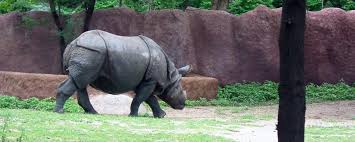
Mrugavani National Park is one of those rare places that feels like a hidden refuge of wild life right beside an expanding city. It doesn’t have towering mountains or dense rainforest; instead, it tells a quieter, equally powerful story — the story of how nature persists, adapts, and quietly survives even as towns and neighborhoods grow around it.
Most people who visit Mrugavani find it not just peaceful, but refreshingly real — no artificial gardens, no staged animals, no fenced exhibits — just a slice of nature that still breathes on its own terms.
History — How This Forest Stayed Alive
Long before Hyderabad stretched wide and its suburbs grew outward, the land sat on the edge of open scrub forest and dry plains. This region naturally had hardy trees, thorny bushes, rocky soil, and a rhythm of rain and dry spells that shaped every living thing here.
As the city expanded, most of the original landscape was cleared for housing or farms. But this particular tract — the future Mrugavani National Park — remained. Why? Not because someone planned it from the beginning, but because communities and environment-minded people recognized its value and pushed for its protection.
This forest was not created equal to a garden. It was an existing forest that urban development had not yet swallowed — a fragment of the original Deccan ecosystem. When people finally realized its importance, they worked to preserve it. The declaration of this land as a national park was a milestone — a decision to say, “This must stay green, wild, and untouched, no matter how the city grows.”
Its name, “Mrugavani,” means a forest of animals, but it also carries a deeper message: wildlife has the right to live here too.
The Character of the Park — Wild, Simple, Alive
Mrugavani National Park is not a large forest by wilderness standards, but it feels complete. It looks the way forests are imagined — a mix of shaded areas under tall branches, open glades where sunlight hits the ground, low bushes and grasses that move with the wind, and pathways that seem to lead deeper into the unknown.
Fauna — The Animals That Call It Home
Mrugavani National Park’s greatest treasure is its wildlife — not in numbers like huge jungles, but in the authentic presence of animals living out their natural rhythms.
Birdlife — The Forest’s Voices
Birds are the easiest wildlife to notice here:
- Parakeets flash green in flight
- Bulbuls, doves, and babblers call from branches
- Peacocks wander on the ground, their feathers catching the sun
- Owls and night birds become vocal as dusk spreads
Birds use the park not just for feeding, but for nesting, shelter, and raising young. Their songs change with the season — louder after rain, softer in dry months.
Mammals — The Quiet Residents
The mammals of Mrugavani are not always seen — they move with caution, blending into shadow and undergrowth — but they are undoubtedly present:
- Small deer and antelope-type animals that graze at dawn
- Foxes and jackals that wander at twilight
- Rodents and squirrels that dart through bushes
- Bats and nocturnal creatures that come alive after midnight
Their presence is often felt in footprints, sudden rustlings, or a flash of movement in the corner of your eye.
Reptiles and Slithering Life
The warm rocks and shaded soil are perfect for reptiles:
- Lizards bask on sunlit stones
- Snakes glide quietly, especially after rainfall
- Turtles or tortoises may appear in wetter patches
These creatures are shy and careful — their lives less dramatic to the eye but deeply connected to the health of the forest.
Insects — The Hidden Crowd
Insects are the silent backbone of the ecosystem:
- Butterflies flutter along flower edges
- Beetles, ants, and spiders shape the forest floor
- Pollinators help the plants reproduce
Without them, the forest would not thrive, but their work is hidden most of the time — until you slow down and notice life close to the ground.
Tiger Reserves in Telangana
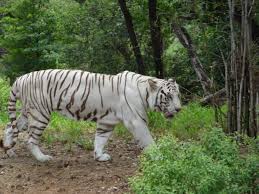
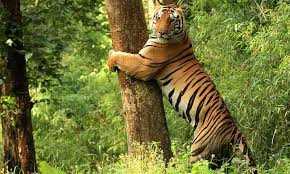
Tiger reserves are not just about tigers. They protect entire forest systems — rivers, prey animals, trees, soil, and even tribal cultures connected to the land. Telangana is home to two major tiger reserves, both located in regions where forests still stretch far and wide.
Why Tiger Reserves Matter
A tiger reserve is not just about tigers.
When a tiger survives in a forest, it means:
- The forest has enough prey
- Water sources are healthy
- Trees, grasses, insects, birds, and animals are all balanced
- Human pressure is controlled
So protecting tigers is actually protecting the entire forest system — from the smallest insect to the tallest tree.
Kawal Tiger Reserve
A Forest with Deep Roots
Kawal Tiger Reserve lies in the northern part of Telangana, where forests stretch wide and rivers quietly shape the land. Long before it was called a tiger reserve, this area was already a stronghold of wildlife. Local communities knew these forests well — not as parks, but as living landscapes full of stories, animals, and seasonal rhythms.
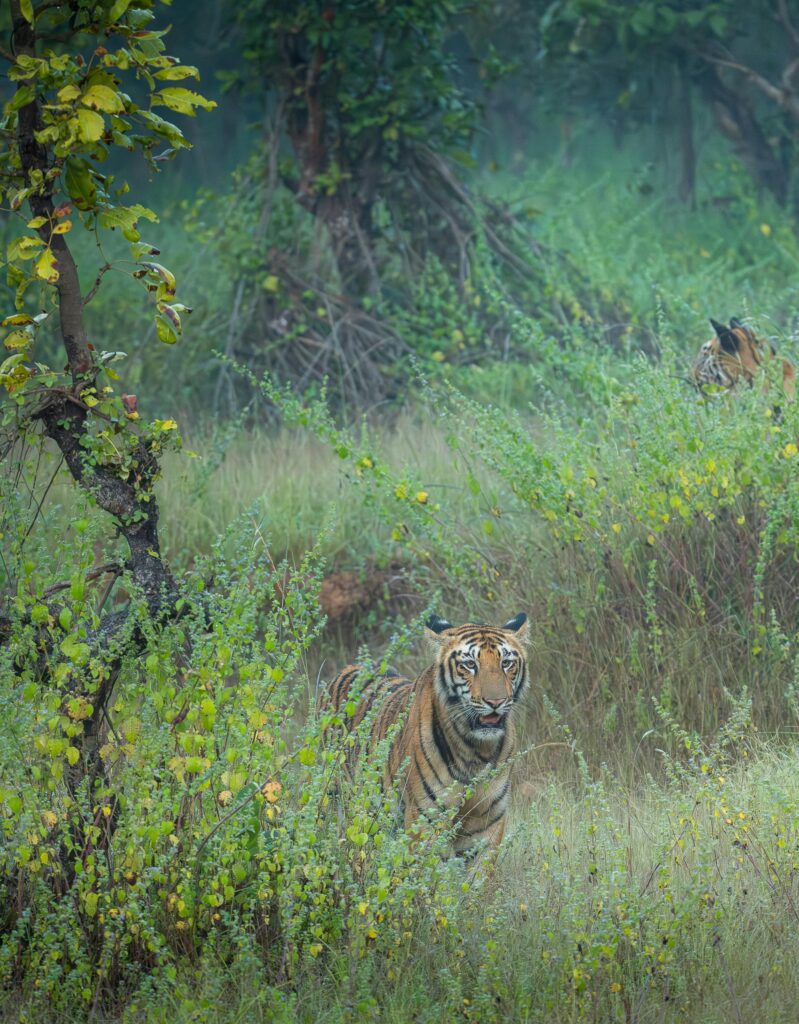
For generations, the forest existed with minimal disturbance. Tigers moved through dense patches, prey animals grazed in clearings, and birds filled the canopy with sound. Over time, as awareness grew about the importance of large predators, this region was recognized as crucial for tiger conservation.
That recognition led to Kawal being declared a tiger reserve — not to change the forest, but to protect what already existed.
Nature of the Landscape
Kawal is a mix of:
- Thick deciduous forests
- Open grasslands
- Rocky hills
- Seasonal streams
During monsoons, the forest turns lush and green. In summer, it becomes dry and quiet, but never lifeless. Each season reshapes the forest, and wildlife adapts naturally.
Life Around the Tiger
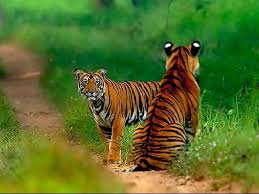
Tigers here are solitary and secretive. You may not see them easily, but their presence is felt everywhere — in pugmarks, scratch marks on trees, and the alert behavior of other animals.
Supporting the tiger are:
- Deer and wild herbivores grazing quietly
- Wild boars moving through undergrowth
- Smaller carnivores sharing the same space
- Birds acting as forest messengers with alarm calls
Kawal is not loud or dramatic. It is calm, patient, and powerful — just like the tiger itself.
Amrabad Tiger Reserve
A Land of Hills and Valleys
Amrabad Tiger Reserve is one of the largest forest landscapes in southern India. It stretches across hills, plateaus, deep valleys, and river systems. This forest has always been wild — not designed, not planted, not planned — just shaped by nature over time.
Historically, this region remained less disturbed because of its terrain. Thick forests, rocky paths, and seasonal rivers naturally limited large-scale human activity. This allowed wildlife, including tigers, to survive even when other forests disappeared.
Eventually, the value of this land was recognized, and it was given formal protection as a tiger reserve — a decision that preserved one of Telangana’s greatest natural treasures.
The Forest’s Personality
Amrabad feels ancient. Walking through it feels like stepping into another time. Tall trees rise above, dry leaves crunch underfoot, and the silence feels deep rather than empty.
The forest includes:
- Dense tree cover in valleys
- Open woodland on hill slopes
- Natural caves and rocky shelters
- Streams that appear and disappear with seasons
It is a forest that tests strength and rewards patience — for animals and humans alike.
Tigers and Their World
Tigers in Amrabad roam across vast territories. They depend on:
- Healthy prey populations
- Undisturbed corridors
- Clean water sources
- Dense cover for hunting and rest
Alongside them live:
- Leopards sharing forest space
- Grazing animals shaping vegetation
- Reptiles warming themselves on rocks
- Birds nesting in quiet corners
Every creature here has learned how to survive without excess — taking only what is needed.
People and the Forest
Tiger reserves in Telangana are not empty lands. People have lived near these forests for generations. Their relationship with the forest has evolved — from dependence to understanding to protection.
Today, conservation efforts focus on:
- Reducing conflict between humans and wildlife
- Encouraging coexistence
- Respecting traditional knowledge
- Educating future generations
The goal is not to remove people completely, but to ensure that both humans and wildlife can exist without destroying each other’s space.