

Yoga

mathilde langevin d0itupzb ka unsplash

Ten Motives for Daily Sun Salutations

1. Complete Body Exercise in a Matter of Minutes Every major muscle group is stretched, strengthened, and activated in the twelve poses that make up the Sun Salutation. It is an effective everyday exercise that works your arms, legs, core, back, and spine. 2. Enhances Flexibility The fluid pattern helps release tense muscles and joints by moving your spine in all directions, including forward bend, backbend, and extension. Regular practice leads to a more flexible and nimble body. 3. Improves Blood Circulation and Heart Health Heart rate, oxygen supply, and cardiovascular endurance are all increased by the rhythmic flow. It maintains the steady flow of blood to all organs. 4. Enhances Posture and Strengthens the Spine Surya Namaskar gets stronger: muscles in the back core shoulders neck This promotes stable posture, lessens back pain, and helps correct slouching. 5. Aids in Weight Control Even twelve rounds increase metabolism, stimulate the digestive fire (agni), and burn calories. Fantastic for: decreasing the amount of abdominal fat toning the muscles enhancing the composition of the body 6. Improves Digestion The internal organs are massaged by forward and backward bending, particularly: stomach intestines pancreas liver It increases cleansing, lessens bloating, and helps digestion. 7. Enhances Mental Concentration & Lowers Stress The combination of movement and breathing: soothes the mind maintains the neurological system in balance lowers cortisol levels improves focus and clarity Frequent practice develops emotional equilibrium and mental stability. 8. Controls Energy & Hormone Balance The endocrine glands are stimulated by sun salutation, particularly: thyroid adrenal pituitary Throughout the day, this promotes increased mood, hormonal balance, and vitality. 9. Increases Lung and Breath Capacity The coordinated breathing instructs: deeper breathing more thorough exhalation consistent breathing patterns This enhances general respiratory health and fortifies the lungs.  10. Develops Self-Control, Optimism, and Inner Power When you perform Sun Salutations before dawn, your body and mind are connected to: organic rhythms grounding energy gratitude It fosters self-control, optimism, and a solid daily schedule. Last Thoughts […]

Ten Motives for Daily Sun Salutations Read More »
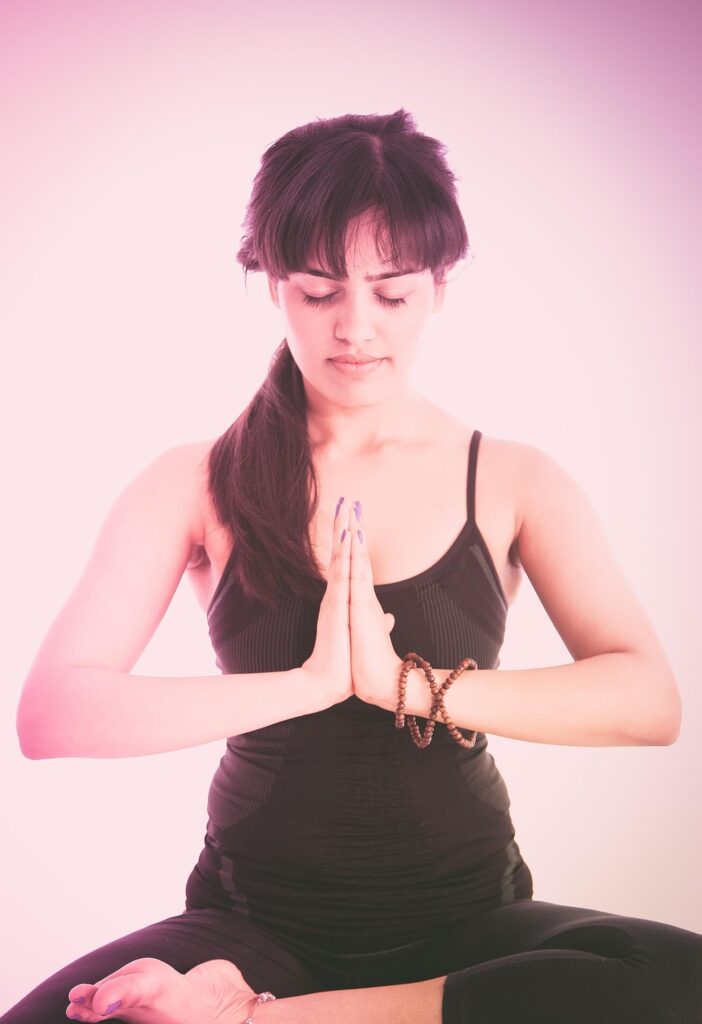
yoga 1284658 1920

Who Should Avoid Yoga (or Practice with Strict Caution)

Although most yoga poses and forms are safe, not everyone is a good fit for them. Modification, supervision, or medical clearance are necessary for some conditions. A thorough explanation broken down by medical disorders and causes can be found below. 1. Individuals with severe cardiac conditions Angina that is unstable severe cardiac failure A recent cardiac episode Recuperation following bypass surgery Uncontrolled arrhythmia Extremely high or extremely low blood pressure Reasons to Avoid or Change: The cardiovascular system may be stressed by yoga’s effects on breathing and blood circulation. ⚠ Avoidable Practices: Power yoga or intense vinyasa Strong backbends (Ustrasana, Bhujangasana) Extended inversions Holding one’s breath (Kumbhaka, Kapalbhati, Bhastrika) ◦ Safer Substitutes: Stretching gently Breathe slowly. Meditation 2. People with severe bone, joint, or mobility issues: severe osteoarthritis Flare-ups of rheumatoid arthritis Recent fractures Advanced osteoporosis severe deterioration of the knee or hip . Reasons to Avoid or Change: Twisting, weight-bearing, and deep bending can exacerbate joint injury or result in fractures. Steer clear of: Padmasana, or lotus position Complete squats (Malasana) Good standing and balancing positions Quick salutations to the sun ◦ Safer Substitutes: Chair yoga Mild range-of-motion motions . 3. Individuals with Spinal Problems or Injuries Conditions: Disc herniation Sciatica Spondylolisthesis severe scoliosis Recovery from spinal surgery Persistent neck problems . .Reasons to Avoid or Change: Inappropriate motions can exacerbate spinal instability or nerve compression. Steer clear of: Bending forward while rounding Robust twists Backbends that are deep Headstand or shoulder stand ◦ Safer Substitutes:

Who Should Avoid Yoga (or Practice with Strict Caution) Read More »

yoga 1284658 1920

THE IMPORTANCE OF DAILY YOGA PRACTICE

One of the most effective routines for overall wellbeing is daily yoga practice. It uplifts the spirit, balances the emotions, aligns the body, and soothes the mind. Even ten to twenty minutes a day can have a profoundly positive impact on one’s life. 1. Develops Mental and Physical Consistency The best results from yoga come from frequent practice. Daily yoga maintains your body and mind clean, flexible, and energized, much way brushing your teeth keeps them healthy. Benefits: Consistent increase in flexibility More powerful muscles Improved posture Better equilibrium 2. Lowers Anxiety & Stress Regular yoga helps you transition from a stressful to a relaxed state by stimulating the parasympathetic nervous system. Effects: soothes the mind lowers the stress hormone cortisol enhances emotional stability reduces anxiety and overanalyzing .  3. Boosts Lung Capacity and Breathing Pranayama, or breathwork, enhances oxygen flow, respiratory power, and pranic (life-force) vitality. Effects: Breathing deeply and smoothly Increased endurance Decreased weariness Enhanced concentration 4. Enhances General Health Regular yoga serves as the body’s natural therapy. Benefits: Improved digestion A healthy heart Enhanced immunity Reduced inflammation Enhanced blood flow.  5. Aids in Controlling Weight Yoga controls hormones, hunger, and metabolism. How It Assists: burns calories (surya namaskar, power yoga) enhances digestion lessens emotional eating maintains thyroid function in balance. 6. Gradually Increases Strength and Flexibility Yoga strengthens weak muscles and stretches tense ones. Long-Term Enhancements: Reduced rigidity Decreased back discomfort Increased joint range of motion Increased physical performance . 7. Improves Mental Clarity and Focus By calming the mind, daily yoga enhances attention. Outcomes: Improved recall Thinking clearly Decreased mental clutter

THE IMPORTANCE OF DAILY YOGA PRACTICE Read More »

ai generated 9104276 1920

A COMPLETE EXPLAINATION OF THE 16 PRIMARY KUNDALINI AWAKENING SYMPTOMS

The rise of spiritual energy (Shakti) from the base of the spine through the Sushumna Nadi, which activates the chakras and expands consciousness, is referred to as Kundalini awakening. Changes in energy, emotions, or spirituality are the source of each symptom. 1. Strong Energy Rising in the Spine (Activation of Sushumna) How It Feels: Warm stream flowing upward Buzzing or vibrations Tingles similar to electricity pressure at the spine’s base Spiritual Understanding: This is the discharge of dormant spiritual energy and the awakening of the Muladhara root chakra. Why It Occurs: Blockages in subtle energy channels are cleared by prolonged meditation, breathwork, or emotional cleaning. 2. Expanded Perception & Increased Awareness How It Feels: Colors appear more vibrant. Sounds seem more vivid. Awareness sharpens The mind feels more alive. Spiritual Understanding: Consciousness changes from ordinary to expanded awareness, and the senses become purified (Pratyahara). Why It Occurs: Kundalini sharpens the mind by increasing prana circulation. 3. Cleansing and Emotional Release (Catharsis) How It Feels: Abrupt tears Laughter Anger coming out Replaying old recollections Spiritual Understanding: Emotions that have been stored in chakras—particularly the heart and sacral—are being released. Why It Occurs: Kundalini purifies the psyche by removing karmic impressions, or Samskaras. 4.Kriyas’s Spontaneous Body Movements: How It Feels Sways of the body Mudras are formed by hands Neck motions Deep, impulsive breaths Spiritual Understanding: Kundalini intelligence releases blockages by moving the body unconsciously. Why It Occurs: Through involuntary movements, the energy purifies chakras and nadis. 5. Abrupt Changes in Breathing (Pranic Awakening): How It Feels Abrupt, deep breaths Pauses in breathing Heating or cooling breath effortless, rhythmic breathing Spiritual Understanding: The Prana Vayu is awakened by Kundalini, which modifies internal energy flows. Why It Occurs: Energy (prana) and breath are related; when energy rises, breath naturally changes. 6. Sensations of Chakra Activation How It Feels: Pressure Pulsing Heat Tingling in various chakra regions

A COMPLETE EXPLAINATION OF THE 16 PRIMARY KUNDALINI AWAKENING SYMPTOMS Read More »

ilyuza mingazova g1rafq5pdz4 unsplash

A COMPREHENSIVE GUIDE TO YOGIC FOOD

Yogic Food (Sattvic Diet) The diet known as “yogic cuisine” is advised in yoga to promote mental clarity, emotional equilibrium, physical well-being, and spiritual development. It is founded on the age-old concept of Sattva, which is the attribute of tranquility, harmony, and purity.  Yogic Tradition’s Three Food Types 1. The Perfect Yogic Food: Sattvic Food (Pure & Harmonizing) Peace, clarity, lightness, and balanced energy are all encouraged by sattvic meals. Includes: Fresh produce Whole grains, such as wheat, quinoa, millets, and brown rice Legumes (lentils, chana dal, and moong dal) Nuts and seeds (flax, sesame, almonds, and walnuts) Dairy products (fresh milk, curd, and ghee) should ideally come from A2/cow sources. Natural sweeteners (honey, jaggery) Warm water and herbal teas Mildly spiced, freshly prepared dishes Benefits: enhances digestion increases immunity improves mental clarity and focus boosts vigor (Prana) encourages yoga and meditation. 2. Rajasic cuisine (energizing and stimulating) causes agitation, restlessness, and excessive activity. Includes: Spicy cuisine Deep-fried foods Coffee, excessive tea, and energy drinks Excess garlic and onion Foods that are sour and salty Oily, very rich foods Impact: ✘ Beneficial for exercise When ingested in excess, it can cause annoyance, rage, and anxiety. 3. Tamasic Food (Heavy & Dulling) reduces vitality and produces dullness and lethargy. Includes: Reheated or stale food Fast food, packaged snacks, and chips are examples of processed foods. Eggs, fish, and meat (in rigorous yogic tradition) Alcohol Overindulgence in fermented cuisine Foods kept for extended periods of time Effects: reduces immunity makes people lazy and unmotivated. interferes with mental clarity Yogic Dietary Practices There is more to the yogic approach

A COMPREHENSIVE GUIDE TO YOGIC FOOD Read More »

le minh phuong nih7z81s44g unsplash

BREATHING TECHNIQUES

Yoga Breathing Techniques (PRANAYAMA) Pranayama, a term derived from two Sanskrit terms, refers to breathing methods used in yoga. Prana: vital energy and life power Expansion or control of Ayama → Thus, pranayama refers to using breath control to expand and regulate life force. These methods support meditation, strengthen the lungs, balance the neurological system,

BREATHING TECHNIQUES Read More »

mediamodifier extnzw9nbqm unsplash

MEDITATION

1. What Does Meditation Entail? The practice of meditation involves: Focusing the mind, Observing unattached thoughts, Reaching profound inner serenity and clarity, establishing a connection with your actual awareness. It entails deliberately focusing attention, typically on breath, a mantra, a feeling, or just awareness. Meditation is not: Putting an end to everything Getting away from reality Daydreaming It is becoming conscious of one’s ideas without letting them control one. 2. The History and Origins of Meditation 2.1 Historical Origins The practice of meditation dates back thousands of years, mostly to: India (Upanishads, yoga, and Vedic traditions) Buddhism (Zen, Vipassana) Jainism Taoism in China Islamic mysticism, or sufism The Vedas (1500–1000 BCE) contain the first recorded mention of Dhyana. 2.2 Contemporary Adoption These days, meditation is frequently utilized for: Reduction of stress Mental well-being Productivity Spiritual growth Psychologists, physicians, and health specialists around the world increasingly suggest it.  3. The Science of Meditation Through neuroplasticity, meditation modifies the structure of your brain.  3.1 Affected Brain Regions The amygdala decreases, which reduces stress, anxiety, and fear. Thickening of the prefrontal cortex improves concentration and decision-making Growth of the hippocampus leads to better memory and learning Overthinking is lessened while using the Default Mode Network (DMN). 3.2 Modifications in Physiology Heart rate decreases Blood pressure decreases The stress hormone cortisol falls The immune system is stronger The body transitions from fight-or-flight mode → to rest-and-digest mode during meditation. 4. Meditation Types  The most popular forms are as follows: 4.1 Vipassana, or mindfulness meditation observing feelings, ideas, and experiences without passing judgment. Pay attention to your breath or your body’s sensations. increases awareness of the present moment. Ideal for: managing emotions, anxiety, and stress. 4.2 Meditation with Concentration (Focused Attention) concentrating on a specific item, such as: Breath Candle flame Sound Mantra Ideal for: improving mental clarity and focus.

MEDITATION Read More »

yannic laderach dqx4xwuxu7w unsplash

BENEFITS OF YOGA

The body, mind, and breath are all integrated in the holistic practice of yoga. It has advantages for mental and physical health, emotional stability, and spiritual development. Many of these conventional assertions are also supported by contemporary research. 1. YOGA’S PHYSICAL BENEFITS 1.1 Increases Adaptability Frequent exercise lengthens and eases tense muscles. reduces injuries and

BENEFITS OF YOGA Read More »