
MODERN WELLNESS

wellness1

KERALA WELLNESS PRACTICES

Kerala’s 5,000-year-old medicinal traditions, natural herbs, tropical climate, and highly skilled Vaidyas (traditional Ayurvedic doctors) have earned it the title of “Ayurveda Capital of India.” Ayurveda, yoga, siddha, Kalari massage, herbal medicine, nutrition treatment, and natural healing rituals are all incorporated into Keralan wellness traditions. A comprehensive and methodical guide is provided here. 1. Ayurveda: The Foundation of Kerala Health Kerala’s traditional medicinal system is called Ayurveda. Kerala Ayurveda is distinct due to its mild environment, profusion of medicinal plants, and age-old wisdom that has been passed down through the centuries. 1.1 Fundamental Ideas Vata, Pitta, and Kapha (body energies) balance Addressing the underlying cause rather than merely the symptoms Using nutrition, detoxification, natural oils, and herbs Comprehensive mental, physical, and spiritual healing 1.2 Kerala Ayurveda’s Unique Character Utilizing fresh medicinal herbs Traditional methods of preparing medications Skilled Vaidyas (Ayurvedic physicians) The perfect humid environment for treatments Genuine Panchakarma facilities 2. Kerala’s Signature Detox System, Panchakarma Ayurveda’s profound detoxification treatment is called panchakarma. The five primary therapies: 1. Vamanam: Therapeutic vomiting . 2. Purgation treatment, or Virechanam . 3. Nasyam: Nasal cleaning . 4. Vasti, or medicated enemas . 5. Raktamoksham: Purification of blood (now rarely done) Benefits: eliminates toxins enhances digestion increases immunity Extensive emotional and mental purification. 3. Ayurvedic Massages & Therapies in Kerala Some of the most well-known wellness massages in the world are found in Kerala. 3.1 Full Body Oil Massage, or Abhyangam Heat-treated oils enhances blood flow reduces tension, exhaustion, and tense muscles. 3.2 Shirodhara Warm oil is continuously applied to the forehead. Therapy for deep relaxation Benefits: Relief from stress and anxiety Better sleep soothes the nervous system . 3.3 Herbal Potli Massage, or Kizhi Types: Ela Kizhi: massage with leaf bundles Podi Kizhi: a bundle of herbal powder Njavara Kizhi: massage with rice Benefits: reduces joint discomfort […]

KERALA WELLNESS PRACTICES Read More »

le minh phuong nih7z81s44g unsplash

BREATHING TECHNIQUES

Yoga Breathing Techniques (PRANAYAMA) Pranayama, a term derived from two Sanskrit terms, refers to breathing methods used in yoga. Prana: vital energy and life power Expansion or control of Ayama → Thus, pranayama refers to using breath control to expand and regulate life force. These methods support meditation, strengthen the lungs, balance the neurological system,

BREATHING TECHNIQUES Read More »

mediamodifier extnzw9nbqm unsplash

MEDITATION

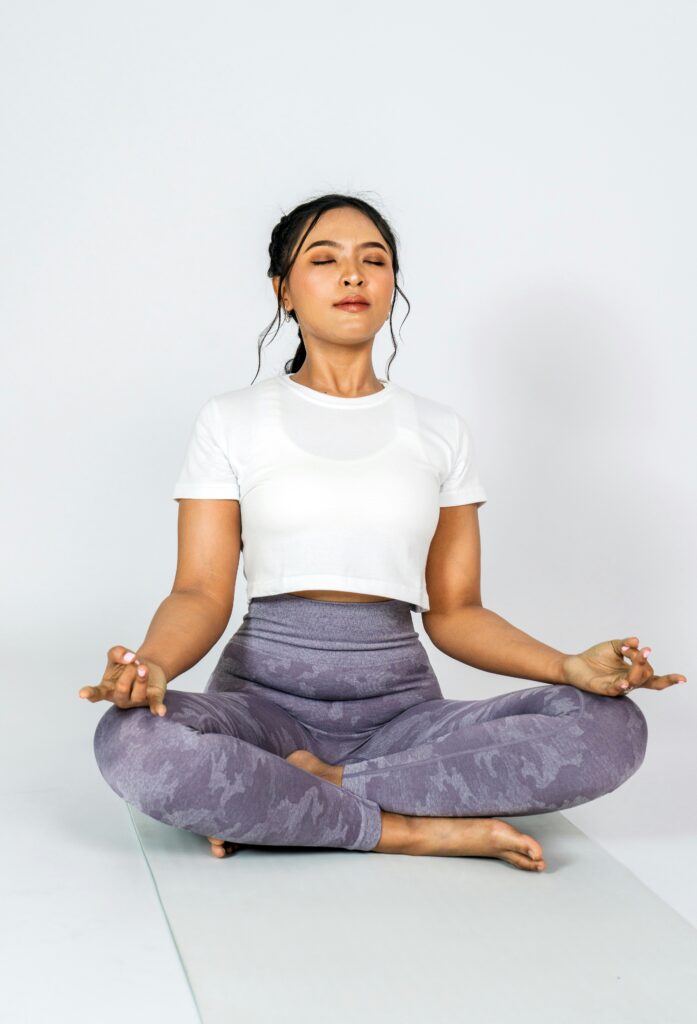
1. What Does Meditation Entail? The practice of meditation involves: Focusing the mind, Observing unattached thoughts, Reaching profound inner serenity and clarity, establishing a connection with your actual awareness. It entails deliberately focusing attention, typically on breath, a mantra, a feeling, or just awareness. Meditation is not: Putting an end to everything Getting away from reality Daydreaming It is becoming conscious of one’s ideas without letting them control one. 2. The History and Origins of Meditation 2.1 Historical Origins The practice of meditation dates back thousands of years, mostly to: India (Upanishads, yoga, and Vedic traditions) Buddhism (Zen, Vipassana) Jainism Taoism in China Islamic mysticism, or sufism The Vedas (1500–1000 BCE) contain the first recorded mention of Dhyana. 2.2 Contemporary Adoption These days, meditation is frequently utilized for: Reduction of stress Mental well-being Productivity Spiritual growth Psychologists, physicians, and health specialists around the world increasingly suggest it.  3. The Science of Meditation Through neuroplasticity, meditation modifies the structure of your brain.  3.1 Affected Brain Regions The amygdala decreases, which reduces stress, anxiety, and fear. Thickening of the prefrontal cortex improves concentration and decision-making Growth of the hippocampus leads to better memory and learning Overthinking is lessened while using the Default Mode Network (DMN). 3.2 Modifications in Physiology Heart rate decreases Blood pressure decreases The stress hormone cortisol falls The immune system is stronger The body transitions from fight-or-flight mode → to rest-and-digest mode during meditation. 4. Meditation Types  The most popular forms are as follows: 4.1 Vipassana, or mindfulness meditation observing feelings, ideas, and experiences without passing judgment. Pay attention to your breath or your body’s sensations. increases awareness of the present moment. Ideal for: managing emotions, anxiety, and stress. 4.2 Meditation with Concentration (Focused Attention) concentrating on a specific item, such as: Breath Candle flame Sound Mantra Ideal for: improving mental clarity and focus.

MEDITATION Read More »