
Yogic Food (Sattvic Diet) The diet known as “yogic cuisine” is advised in yoga to promote mental clarity, emotional equilibrium, physical well-being, and spiritual development. It is founded on the age-old concept of Sattva, which is the attribute of tranquility, harmony, and purity.
Yogic Tradition’s Three Food Types
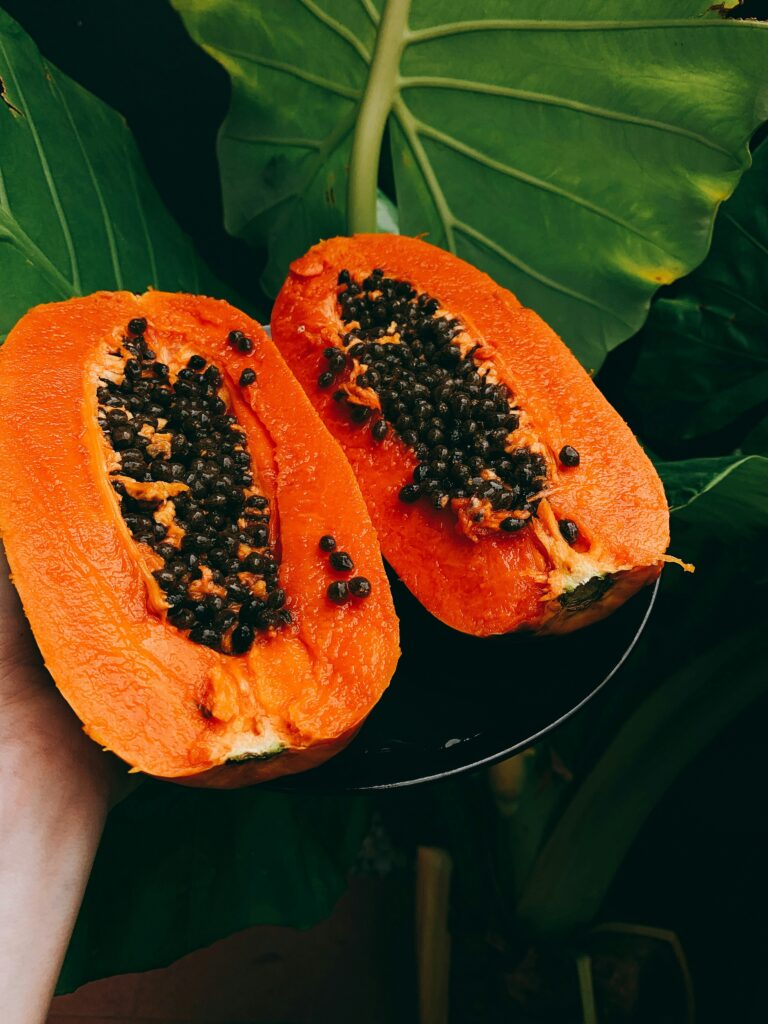
1. The Perfect Yogic Food: Sattvic Food (Pure & Harmonizing) Peace, clarity, lightness, and balanced energy are all encouraged by sattvic meals. Includes: Fresh produce Whole grains, such as wheat, quinoa, millets, and brown rice Legumes (lentils, chana dal, and moong dal) Nuts and seeds (flax, sesame, almonds, and walnuts) Dairy products (fresh milk, curd, and ghee) should ideally come from A2/cow sources. Natural sweeteners (honey, jaggery) Warm water and herbal teas Mildly spiced, freshly prepared dishes Benefits: enhances digestion increases immunity improves mental clarity and focus boosts vigor (Prana) encourages yoga and meditation.
2. Rajasic cuisine (energizing and stimulating) causes agitation, restlessness, and excessive activity. Includes: Spicy cuisine Deep-fried foods Coffee, excessive tea, and energy drinks Excess garlic and onion Foods that are sour and salty Oily, very rich foods Impact: ✘ Beneficial for exercise When ingested in excess, it can cause annoyance, rage, and anxiety.
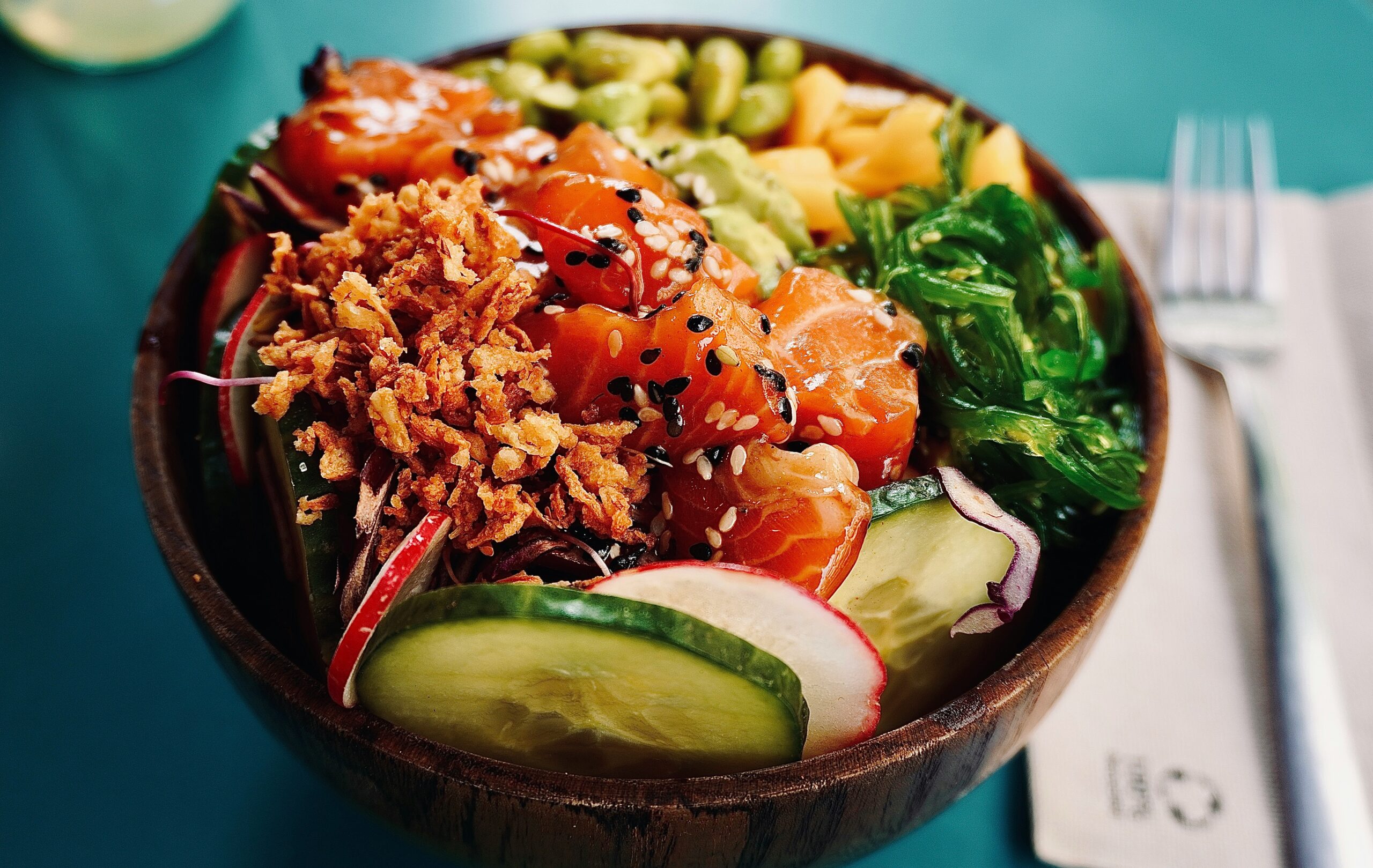
3. Tamasic Food (Heavy & Dulling) reduces vitality and produces dullness and lethargy. Includes: Reheated or stale food Fast food, packaged snacks, and chips are examples of processed foods. Eggs, fish, and meat (in rigorous yogic tradition) Alcohol Overindulgence in fermented cuisine Foods kept for extended periods of time Effects: reduces immunity makes people lazy and unmotivated. interferes with mental clarity
Yogic Dietary Practices
There is more to the yogic approach to eating than just what you consume. Here are some more techniques to develop a balanced and mindful relationship with food:
Steer clear of chemicals and stimulants: Choose seasonal, fresh produce and limit processed foods and sugar-filled beverages.
Eat frequently and leave time between meals to avoid overindulging and to encourage healthy digestion.
Pre-Yoga Fuel: Steer clear of a large meal immediately before your practice. Try to eat at least two hours in advance.
Prime time is at lunch: Since you have more energy to burn it during the day, make lunch your largest meal.
Dinner: In the evening, lighter, prepared foods are simpler to digest.
Power of herbs and spices: Take use of their therapeutic properties! Cumin, turmeric, and ginger are a few spices that have anti-inflammatory and digestive properties.
Eat mindfully by chewing your meal well, savoring it, and avoiding distractions. This encourages thankfulness and keeps overeating at bay. Your body and soul are nourished when you are grateful for the food.
Fasting as a Purification Tool: An essential yogic practice for self-control and cleansing is fasting. It promotes mental clarity and concentration by enabling the body to cleanse and detoxify. There are other kinds of fasts, such as juice cleanses and intermittent fasting. If required, think about adding sporadic fasting to your regimen under the supervision of a medical expert.